Gods From Scratch: The Secret Craft Behind Fiction's Most Believable Religions
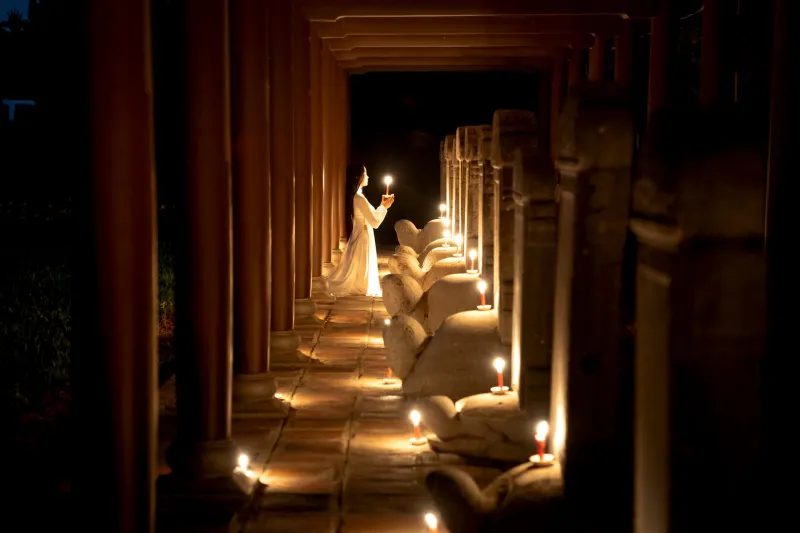
There's a moment every dedicated fantasy reader knows. You're a hundred pages into a new world, and a character whispers a prayer to some forgotten god—and you feel it. Not because the author explained the religion in a footnote, but because the world around that prayer makes it make sense. The crops are dying. The old woman in the corner won't meet anyone's eyes. The prayer isn't exposition. It's dread.
That feeling? It doesn't happen by accident. It happens because someone spent a very long time figuring out why people in this world believe what they believe.
Modern fantasy and sci-fi authors are doing something genuinely remarkable right now. They're not just inventing gods—they're engineering entire spiritual ecosystems. And the best ones are doing it with a level of craft that anthropologists and religious scholars would actually find interesting.
Why Fictional Religions Hit Different When They're Done Right
Let's start with the obvious question: why does it matter? A reader can enjoy a story without understanding the theological underpinnings of every temple in the background. Sure. But a reader who does understand them—or who feels like they could understand them if they dug deeper—is a reader who stays.
Think about the Wheel of Time series. Robert Jordan didn't just invent the One Power as a magic system. He built the Aes Sedai around a near-religious reverence for that power, complete with oaths, schisms, apostates, and centuries of institutional rot. The religion isn't separate from the plot. It is the plot. The same goes for the Broken Earth trilogy by N.K. Jemisin, where the relationship between people and a hostile, geological god-force shapes every single social structure in the world.
When religion is load-bearing in a fictional world, readers feel it. When it's wallpaper, they also feel that—even if they can't name why.
The Anatomy of a Believable Fictional Faith
So what actually goes into making a fictional religion feel authentic? Worldbuilding writers and craft educators point to a few consistent pillars.
Origin stories that explain something real. The best fictional mythologies don't just describe how the world was made—they explain why the world is broken in the way it is. Brandon Sanderson's cosmere religions, for example, often circle back to questions of divine abandonment. Why did the gods leave? Why do they let bad things happen? These are the same questions real-world religions grapple with, and grounding fictional faith in those universal anxieties makes them resonate immediately.
Institutional memory and corruption. Real religions don't stay pure. They get politicized, fragmented, and reinterpreted by people with agendas. Authors who understand this build churches and cults and heresies into their worlds from the start. The faith of the common farmer in a fictional world should look nothing like the faith practiced in the capital's grand temple—and that gap should matter to the story.
Ritual with texture. Rituals are where religion becomes tactile. The best fictional faiths have specific, slightly strange practices that feel like they evolved organically over centuries rather than being invented by a writer who needed something to put in a scene. The details don't have to be explained. A character who refuses to eat root vegetables before a holy day, with no explanation offered, tells the reader more about that world's spiritual life than three paragraphs of lore ever could.
Doubt and dissent baked in. A world where everyone believes the same thing with the same intensity is a world that doesn't feel real. Fictional religions gain enormous texture when characters within them are skeptical, lapsed, or quietly heretical. That internal friction is where some of the best character work in genre fiction lives.
The Authors Who Are Doing It Best Right Now
N.K. Jemisin is probably the most discussed contemporary author in this space, and for good reason. Her approach to divinity is almost anthropological—gods in her work are forces shaped by human need and human cruelty as much as the other way around. The Fifth Season doesn't hand you a theology. It lets you piece one together from context, which makes the eventual revelations hit much harder.
Tasha Suri's Burning Kingdoms series draws on South Asian spiritual frameworks in ways that feel genuinely reverent rather than appropriative, because the religion in those books isn't decoration—it's the source of power, conflict, identity, and grief all at once.
And then there's Ursula K. Le Guin's shadow, which still falls over basically everything. Her Earthsea books remain a masterclass in building spiritual systems that feel ancient without being explained to death. Le Guin understood that mystery is part of what makes religion feel real. You don't need to know everything. You just need to feel like there's more to know.
What Separates Mythology From Mere Window Dressing
The honest answer is consequence. A fictional religion that has no effect on how characters behave, how societies organize themselves, or how the plot unfolds is furniture. It's there to make the room look lived-in, but you could remove it and nothing would change.
The religions that stick—the ones readers argue about in forums and write fan theories about—are the ones where belief costs something. Where choosing to follow or reject a faith has real stakes. Where the mythology isn't just backstory but active pressure on the present.
That's the test worth applying to any fictional belief system: if you removed it, would the world collapse? If the answer is yes, you've built something real.
Building Your Own
If you're a writer working on a fantasy or sci-fi world and you're trying to get your religion right, the most useful thing you can do isn't research comparative theology (though that helps). It's ask the question every real religion starts with: what are these people afraid of?
Fear of death. Fear of meaninglessness. Fear of a sky that doesn't care. Fear of each other. Every enduring religion—real or fictional—is, at its core, a community's attempt to answer that fear with something that feels like order.
Start there. Build outward. Let it get messy and political and contradictory over time. And then trust your readers to feel it, even when you don't explain it.
That's when the prayer in the dark actually lands.