Read the Hem Before You Read the Room: What Fantasy Fashion Is Really Saying
Let's say you're reading a fantasy novel and a character walks in wearing a simple tunic and a cloak. Fine. Nothing wrong with it. Except it's the same tunic and cloak worn by the blacksmith, the duke, the assassin, and the farmhand three kingdoms over, and it's the same outfit in the frozen north and the sunbaked port city. At that point, that outfit is not clothing. It's a costume from the same bin as everyone else's, and it's quietly telling you the world is about two inches deep.
I'm not being a snob about costumes. I'm being a snob about information. Because clothing is the cheapest, fastest, most load-bearing worldbuilding device in the entire toolkit, and most fantasy leaves it sitting on the shelf.
The Generic Tunic Problem
A tunic is a garment, not a setting. The moment a writer specifies what a tunic is made of, how it's dyed, how it's fastened, and who was allowed to wear it, the world starts breathing on its own.
Think about how much you know about a stranger in real life from their clothes and looks alone. You clock the commute sneakers versus the polished ones, the faded band shirt versus the dry-cleaned one, the coat that was clearly expensive in 2019 and is being worn into the ground. You're not admiring fabric. You're reading a spreadsheet of choices. Fantasy characters can give you the same spreadsheet, and readers will do the math for free.
Cloth Is Geography
Linen wants flax and rainy summers. Wool wants sheep and cold. Silk wants trade routes and people with capital. Cotton wants sun and a labor force, which is itself a story. Leather wants herds, and herds want land, and land wants a border.
So when a character wears a linen tunic in a city that trades with a silk kingdom, that's a choice, and readers will start asking who it came from and what the tariff was. Climate shows up too: wide sleeves in a hot, dry country, layered felt in a place where the wind is a character. A cloak in a desert is a statement — it means the wearer can afford to travel at night.
Dye Is Money, and Money Is Politics
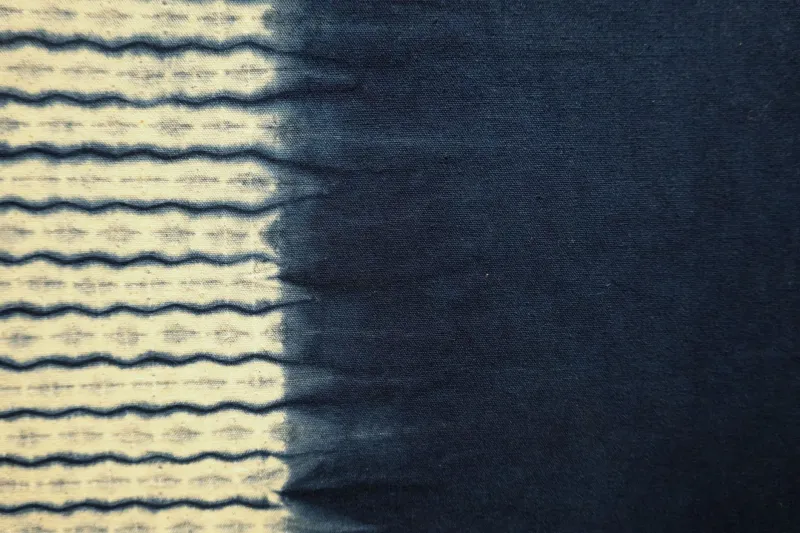
Here's the detail that makes me feral: color is expensive. Really saturated color, in a pre-industrial world, takes commitment. Reds and purples in particular have historically meant crushed things, boiled things, and long hours of labor, and that translates directly into status.
So a protagonist in a hand-me-down gown with a dye-stain at the cuff reads differently than a protagonist in a fresh, vivid coat of the same cut. One of those people is keeping something alive. The other is probably never doing laundry. The clothing isn't doing flavor work here — it's doing class work.
Silhouette Is a Hierarchy
Cut tells you who has to move and who doesn't. Long skirts say someone has a person to hold doors. Tight sleeves say someone doesn't lift anything. Wide sleeves say someone can afford to be mildly inconvenient. Spoilered-up uniforms say the state wants you identifiable from a distance and out of the way of a blade.
If your fantasy army all wears matching boots and the general wears the exact same boots, fine — but make that an actual choice, discussed or at least noticed. Erased distinctions aren't neutral. They're a decision someone made, and in a real state, that decision has an enforcer.
The Sumptuary Law Trick
The single best way to smuggle a social hierarchy into a story without an exposition dump is a sumptuary law: a rule about who may wear what. Real history is absolutely lousy with these — certain furs, certain colors, certain trims reserved by decree.
Drop in one line about someone getting fined for a green cloak, and the reader instantly learns that green is expensive, that the law is enforced, that the fine is payable by someone with money, and that the person who paid it has a specific attitude toward rules. That's four world facts in one sentence. Try doing that with a lore appendix.
What to Ask About Every Outfit
- Where did the fiber come from, roughly, and how far did it travel?
- Who made it, and were they paid or owned?
- How was it dyed, and who can afford that dye?
- What does it say about weather and work?
- Who is allowed to wear it, and who gets fined for trying?
- What has it survived — mending, inheritance, a bad year?
The last one is the quiet killer. A patched garment tells you the character's finances, their family, their stubbornness, and the price of cloth, all at once. That's a whole paragraph of backstory in a visible seam.
Dress Your World Like You Mean It
None of this asks for a costume essay on page two. One detail per character, delivered because it matters to that character, is enough. The point is that the detail exists in the writer's head, and therefore in the world, and eventually in the reader's.
A cloak is fine. A cloak that's a hand-me-down from a war the character doesn't talk about, dyed with something only two families in town can afford, and hemmed short because it belonged to someone taller — that's a world. Read the hem. Then read the room.